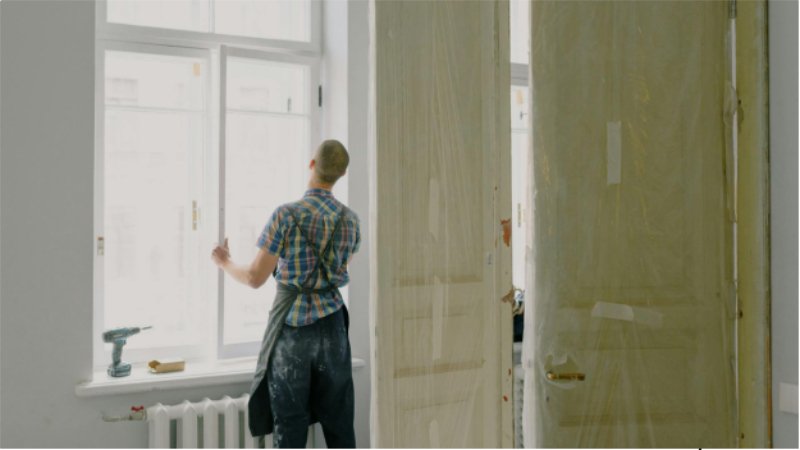
Home improvement sounds manageable until you’re actually in the middle of it. A small fix turns into a bigger task. A quick update takes longer than expected. And suddenly you’re wondering if you should’ve handled it differently from the start.
That’s especially true in places like Columbus, Ohio. There’s no real break in the weather. Humid summers, cold winters, and regular moisture changes mean your home goes through a lot. Small issues show up more often, and ignoring them doesn’t really work.
So you end up fixing things more frequently than you planned. The real question isn’t whether to improve your home. It’s how to approach it.
What can you handle on your own, and what’s better left to someone with experience? Because getting that balance right saves time, money, and a lot of frustration.
Let’s break that down.
Handling Water Damage
Water damage can look simple at first. A damp patch, a small leak, a bit of moisture on the floor.
In places like Columbus, Ohio, heavy rains make moisture issues more common. But water damage isn’t always external. It can come from pipes, appliances, or small internal leaks.
So ask yourself, is this contained or is it spreading? If it’s small and visible, you can act quickly. Dry the area, improve airflow, and clean it properly. But if water has reached walls, flooring, or hidden spaces, it becomes something else.
That’s where professional help becomes necessary. Fortunately, for water damage restoration Columbus, has some of the best experts. These professionals use equipment that pulls moisture from areas you can’t access. They also check how far the damage has gone.
If you’re unsure, that’s your signal. Because with water damage, missing the real issue often leads to bigger repairs later.
Painting and Cosmetic Updates You Can Easily DIY
Some projects are a good place to start. Painting is one of them.
You don’t need advanced skills. Just preparation, patience, and attention to detail.
Before you begin, ask yourself, “Can I take my time with this?”
Because rushing is usually what causes problems here. The same applies to small cosmetic updates. Changing hardware, updating fixtures, and making small visual Home Improvement—these are low-risk tasks.
If something doesn’t turn out right, you can fix it without much trouble. These projects build confidence.
You improve your space without taking on too much at once.
Electrical Work: Know Where to Stop
Electrical tasks can seem manageable. Replacing a light fixture, swapping out a switch… it doesn’t look complicated.
But pause and think about whether you really understand what you’re working with. Because once wiring is involved, the risk changes. Mistakes here aren’t just inconvenient. They can create serious safety issues.
So draw a clear line. If it’s a basic replacement and you’re confident, you can proceed carefully.
But if you’re unsure at any point, stop. Electrical work isn’t something to figure out as you go.
Knowing when to step back is just as important as knowing how to start.
Tackling Flooring Projects
Flooring can look straightforward. You see panels, tiles, planks, and think, “I can probably do this.”
Sometimes, you can. But here’s a question: what kind of flooring is it?
If it’s something like laminate or vinyl planks, DIY can work. These are designed to be installed with basic tools and a bit of patience. But once you move into tile or hardwood, things change.
Precision matters. Leveling matters. Small mistakes show up later. Now, if you don’t have the right tools, it’s better to bring in someone experienced.
Because fixing flooring after a bad install usually costs more than doing it right the first time.
Roofing Repairs: Not Worth the Risk
Roof issues often start small. A leak, a missing shingle, a small patch that looks easy to fix.
Roofing problems aren’t always surface-level. There could be underlying damage, moisture buildup, or structural wear you can’t spot right away. Then there’s safety. Working on a roof isn’t like working inside your Home Improvement. It comes with real risk. So even if the repair looks simple, think it through. Is it worth the risk? Do you have the right equipment?
Most of the time, this is where calling a professional makes more sense.
Structural Changes Should Always Be Professional
Some projects don’t leave room for guesswork. Removing a wall. Changing layouts. Adjusting support structures. These aren’t DIY tasks.
Before you even think about it, ask yourself, “What does this wall actually do?”
Because what looks like a simple change could affect the stability of your Home Improvement. Structural work requires proper planning, permits, and expertise.
This is one area where trying to figure it out on your own can lead to serious problems.
So don’t overthink it.
If it affects the structure, bring in professionals from the start.
Time vs Cost: Knowing What’s Worth Your Effort
DIY often feels like the cheaper option. And sometimes, it is.
But you need to understand if it’s worth your time. Some projects take longer than expected. You start thinking it’ll take a few hours… and it turns into a full weekend or more.
Then there’s the learning curve. If you’re figuring things out as you go, you’re spending time and energy you might not have.
So weigh it properly. If a professional can do it faster and better, it might be worth the cost.
Because saving money upfront doesn’t always mean saving overall.
Trusting Your Judgment (and Knowing When to Step Back)
At the end of the day, it comes down to awareness. You don’t have to prove anything by doing every task yourself. Just ask yourself, “Am I confident… or am I just trying to push through?”
There’s a difference. Confidence comes from understanding what you’re doing. Guessing usually shows up as hesitation.
And that hesitation matters.
Because it’s often a sign that you should pause. Stepping back doesn’t mean you can’t handle things. It means you’re making a better decision.
Once you start thinking this way, Home Improvement stops feeling unpredictable. You’re not jumping into projects blindly. You’re asking the right questions first, and that changes everything. Contact us for more details.
Some things you’ll handle on your own. Others you’ll hand off without second-guessing. And that balance?
That’s what keeps your Home Improvement in good shape, without turning every project into something harder than it needs to be.