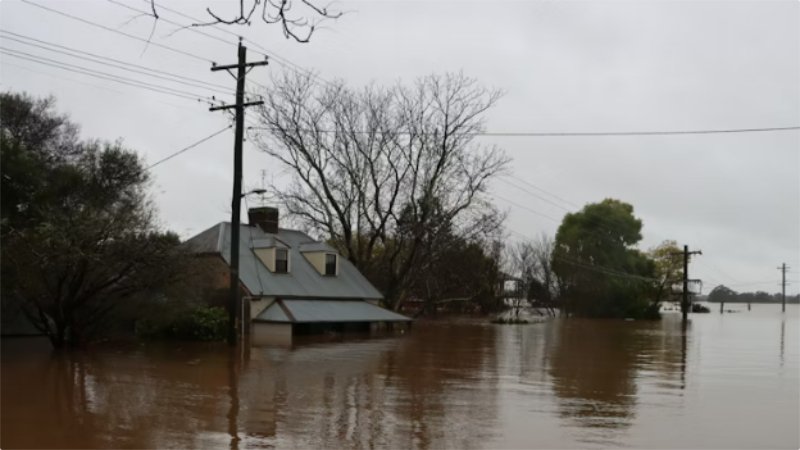
In Austin, sudden DIY Water Damage is more common than many homeowners expect. A heavy storm, a burst pipe, or even a slow leak under the sink can quickly turn into a stressful situation. When it happens, most people try to handle it themselves. It feels faster, easier, and more affordable in the moment. But water damage does not work that way. What you see on the surface is often only a small part of the problem.
Moisture can spread into areas you cannot reach or even notice. Acting quickly matters, but doing the wrong things early can make the situation worse. Before grabbing towels and fans, it helps to understand what DIY cleanup often misses.
Hidden Moisture Behind Walls
Walls and floors can trap DIY Water Damage in ways that are easy to miss. Drywall, insulation, and wood absorb moisture quickly, even from a small leak. You might wipe down a wet surface and assume the job is done, but the inside of the wall may still hold water. Over time, that trapped moisture can weaken materials and create other issues. Without the right tools, it is very hard to tell what is still wet. Touch alone is not enough. Many DIY attempts stop too early because everything looks dry on the outside. This creates a false sense of security and allows damage to continue where it cannot be seen.
Insurance Problems After DIY Attempts
Insurance companies often look at how the damage was handled after it occurred. If the situation worsens due to delayed or incomplete cleanup, they may question the claim. Lack of proper documentation can also make it harder to prove what happened. Many homeowners do not realize how important records and timelines are during this process. Working with professionals, such as Austin Fire and Flood, helps ensure that damage is properly assessed and documented. This makes it easier to work with your insurance provider and avoid unnecessary delays or disputes.
Why Fans and Towels Fall Short
Using fans and towels is usually the first step people take, but these methods only handle surface moisture. Fans move air, but they do not pull moisture out from deep within materials. Towels soak up visible DIY Water Damage, yet they cannot reach inside flooring or behind walls. Even if the room feels dry after a day or two, moisture can still remain underneath. This leftover moisture becomes a problem over time. Proper drying requires equipment that removes water from the air and from materials at the same time. Without that level of drying, the cleanup stays incomplete, even if everything looks fine at first glance.
Mold Can Start Before You Notice
Mold does not wait long to grow when moisture stays in a space. Even small amounts of trapped DIY Water Damage can create the right conditions for it to develop. The problem is that mold often starts in places you cannot see, such as inside walls or under flooring. By the time you notice a smell or visible spots, it may have already spread. DIY cleanup often focuses on drying what is visible and skips deeper areas where mold begins. Once mold takes hold, removing it becomes more difficult and costly. Early and complete drying is key, but that is where many homeowners fall short.
Cleaning Mistakes That Cause More Damage
Trying to clean water damage without proper knowledge can lead to new problems. Some people use too much DIY Water Damage while cleaning, which adds to the issue instead of fixing it. Others use strong cleaning products that can damage surfaces like wood or fabric. Scrubbing too hard can also wear down materials that are already weakened by moisture. Not all items can be saved with simple cleaning, and some need careful handling or removal. Without knowing the right approach, it is easy to make choices that increase repair costs. What starts as a small cleanup effort can turn into a bigger project due to avoidable mistakes. Contact us for more details.