Key Takeaways
- Automated Small Business Payroll software streamlines calculations and prevents common manual errors.
- Outsourcing ensures expert compliance support and lessens administrative burden.
- Staying informed about tax obligations is crucial for avoiding legal and financial risks.
- Regular process reviews and proper recordkeeping are essential for ongoing accuracy.
Managing payroll can quickly become an overwhelming task for small business owners. From tracking employee hours to adhering to ever-changing tax regulations, maintaining payroll compliance and accuracy requires constant attention. Fortunately, innovative strategies and tools are now available that make handling payroll more manageable for businesses of any size. If you run a company with just a few staff members, exploring modern solutions such as payroll for businesses with 1-49 employees can help you smoothly meet your payroll obligations while freeing up valuable time to focus on growth.
Small businesses face unique Small Business Payroll challenges, including maintaining compliance, automating routine calculations, and reducing the risk of mistakes. By implementing straightforward solutions and using available resources, you can increase both accuracy and efficiency. In this article, you will discover actionable steps that any small business can take to simplify payroll and reduce the administrative burden that comes with it.
Embrace Automated Payroll Software
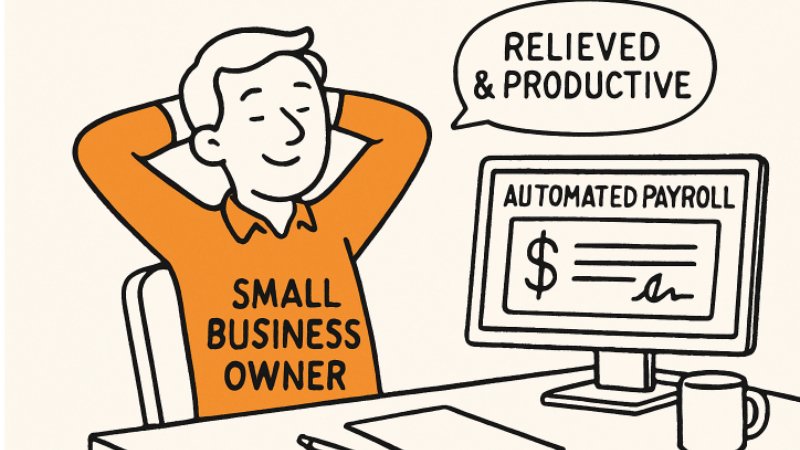
Adopting an automated payroll solution can transform payroll management for small business owners. Such software automatically completes time-consuming calculations, deducts taxes according to the latest requirements, and facilitates direct deposits. This not only improves accuracy but also reduces the risk of common errors that could lead to compliance issues or upset employees. User-friendly platforms like QuickBooks Payroll are widely recognized for their intuitive interfaces and powerful features. Automated solutions also offer robust integrations with other HR tools, making the entire payroll process more cohesive and less prone to interruptions or delays. For businesses starting their payroll journey, choosing software that scales alongside company growth is a practical long-term strategy.
Consider Outsourcing Payroll Services
For business owners looking to eliminate payroll complexities entirely, outsourcing is a compelling option. Payroll service providers like Patriot Accounting and Payroll specialize in managing payroll processing, benefits administration, and tax filing for small businesses. With experts ensuring your Small Business Payroll remains accurate and compliant, you can avoid costly errors while focusing more energy on your core business operations. Outsourcing also guarantees up-to-date knowledge of local, state, and federal tax laws, greatly reducing the risks of accidental non-compliance. Many firms tailor their offerings to the specific needs of smaller organizations, providing expert support without hiring in-house specialists.
Stay Informed About Tax Obligations
Understanding payroll tax requirements is essential for maintaining both financial health and regulatory compliance. Small businesses must keep current on federal, state, and local laws, which dictate everything from withholding amounts to overtime payments and year-end reporting. Missteps can lead to hefty penalties and audits. The IRS Small Business and Self-Employed Tax Center is an excellent resource for up-to-date information on tax obligations (IRS Small Business and Self-Employed Tax Center). Scheduling regular compliance check-ins or consultations with tax professionals is another best practice for staying ahead of regulatory changes. Seeking guidance from reputable small business support organizations, such as the U.S. Small Business Administration, can further help you understand complex tax codes and new regulatory requirements.
Implement Time-Tracking Systems
Accurate time tracking is a foundational component of correct payroll processing. It ensures hourly employees are compensated for all time worked and helps salaried staff properly account for leave or overtime. Using digital systems that integrate with your Small Business Payroll software enables seamless data transfer, leading to fewer mistakes and faster processing. These systems often include mobile apps and secure employee portals, making it easy to submit hours from anywhere. According to a Forbes Advisor report, implementing reliable time-and-attendance software can lead to significant cost savings and increased productivity for small businesses.
Regularly Review Payroll Processes
Establishing a schedule for reviewing your payroll processes, such as quarterly or annually, helps pinpoint inefficiencies and address potential problems before they escalate. Conducting regular audits of payroll procedures, software integrations, and employee classifications ensures ongoing compliance with legal and tax standards. Involving your accounting team or a trusted third-party advisor can increase effectiveness and provide new perspectives for optimizing operations. Periodic reviews also foster adaptability as your business grows and payroll complexity increases.
Provide Employee Training
Transparent communication and training about payroll procedures benefit both employees and business owners. Educating your team members on how payroll is calculated, timelines for direct deposits, and how to read their pay stubs reduces confusion and distrust. This proactive approach also minimizes the number of payroll-related inquiries, saving time for your HR or administrative staff. Clearly documented Small Business Payroll guidelines and accessible FAQ documents can serve as valuable ongoing references for employees during onboarding and beyond.
Maintain Accurate Records
Maintaining thorough and accurate payroll records is not only a best practice but a legal necessity. Records should include all details pertaining to wages, tax deductions, and employment status, stored securely and updated consistently. This diligence simplifies audits, supports swift resolution of discrepancies, and ensures compliance with federal and state recordkeeping laws. Digital storage solutions with regular backups can greatly enhance security and accessibility, reducing administrative overhead and risk.
Conclusion
Payroll needs do not need to overwhelm small business owners. Leveraging automated technology, outsourcing where appropriate, staying current with tax obligations, and continuously improving payroll processes are effective ways to simplify this crucial responsibility. Thoughtful payroll management not only reduces the risk of errors and penalties but also fosters trust among employees and supports your business’s overall success. With the right solutions and a proactive mindset, small businesses can transform Small Business Payroll from a challenge into a growth driver. Contact us for more details.