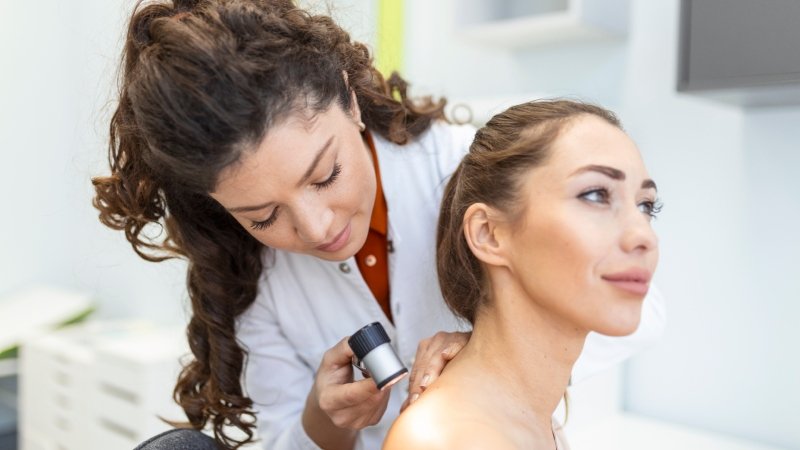
Preventive health is not just about avoiding illness—it’s about actively protecting your wellbeing before problems arise. In today’s fast-paced lifestyle, it’s easy to overlook subtle changes in your body, especially when they don’t cause immediate discomfort. However, when it comes to your skin, even the smallest change can be worth paying attention to. Regular skin checks are a simple yet powerful step in maintaining long-term health.
Scheduling an appointment with a trusted skin clinic Parramatta ensures that your skin is professionally monitored, helping you stay ahead of potential concerns.
Your Skin Is Your First Line of Defence
Your skin acts as a barrier, protecting your body from environmental damage, harmful UV rays, and pollutants. Because it is constantly exposed, it is also one of the first places where signs of damage or disease can appear.
Changes such as new moles, discoloration, or unusual textures may seem minor, but they can sometimes indicate deeper issues. Regular skin checks help identify these signs early, allowing for timely action.
The Importance of Early Detection
One of the biggest advantages of routine skin examinations is early detection. Many serious skin conditions, including skin cancer, develop gradually and without pain in their early stages.
By identifying these conditions early, treatment becomes significantly easier and more effective. In many cases, early intervention can prevent the need for more complex procedures later on. This makes regular skin checks not just a precaution, but a critical part of preventive care.
Sun Exposure and Long-Term Impact
In regions with strong sunlight, daily exposure to UV rays can accumulate over time. Even if you don’t notice immediate damage, your skin may still be affected beneath the surface.
Activities like commuting, outdoor work, or even short periods in the sun can contribute to long-term skin damage. Over time, this increases the risk of developing serious conditions. Regular checkups help monitor these effects and ensure any concerns are addressed promptly.
Reducing Stress Through Awareness
Health-related uncertainty can often lead to unnecessary stress. Not knowing whether a mole or skin change is harmless can create anxiety. Regular skin checks provide reassurance and clarity.
When you make skin monitoring a habit, you gain confidence in your health status. This peace of mind allows you to focus on your daily life without worrying about unnoticed issues.
Building a Preventive Health Routine
Incorporating skin checks into your routine doesn’t require major effort. It’s about consistency rather than complexity. Just like regular dental visits or general health checkups, skin assessments should become part of your ongoing healthcare plan.
You can also support your skin health by adopting simple habits such as wearing sunscreen, avoiding peak sun hours, and staying hydrated. These small steps, combined with professional checks, create a strong foundation for prevention.
Small Actions, Long-Term Benefits
Preventive health is built on small, consistent actions. A single skin check may not seem significant, but over time, these checkups can make a major difference. They help track changes, detect issues early, and reduce the risk of complications.
Ignoring minor signs today can lead to bigger challenges tomorrow. On the other hand, taking proactive steps ensures that you stay in control of your health journey.
Take Charge of Your Skin Health
Looking after your skin is an investment in your future wellbeing. It’s not about reacting to problems—it’s about preventing them before they begin.
By prioritising regular skin checks and staying aware of changes in your body, you give yourself the best chance of maintaining healthy skin and overall health. A simple appointment today could make a lasting difference for years to come. Contact Us