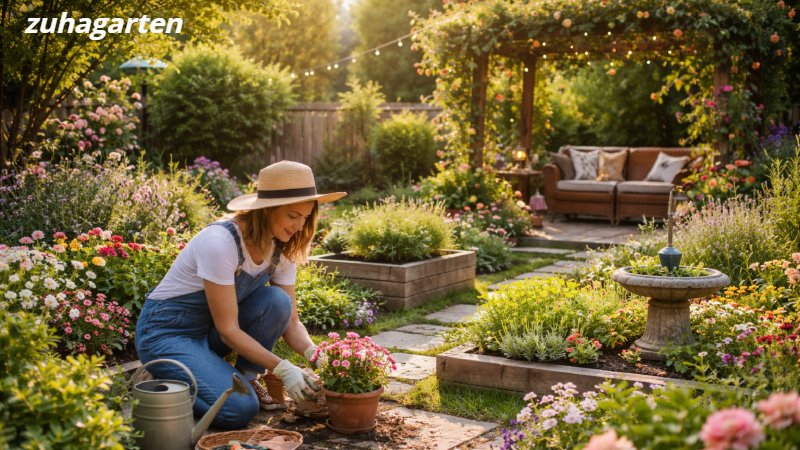
Gardening is no longer just a hobby—it’s a lifestyle. In today’s fast-paced world, creating a serene outdoor space where you can relax, connect with nature, and enjoy the beauty of plants has become more important than ever. This is where Zuhagarten comes into play. Whether you’re a beginner looking to dip your toes into gardening or an experienced gardener seeking inspiration, Zuhagarten offers practical ideas, expert tips, and creative solutions to help your garden flourish.
In this guide, we’ll explore everything from the basics of Zuhagarten to advanced techniques, ensuring your home garden not only thrives but also becomes a personal sanctuary.
What is Zuhagarten?
The term “Zuhagarten” represents a modern approach to home gardening. It combines traditional gardening principles with innovative techniques and design aesthetics. At its core, Zuhagarten is about creating a garden that is both functional and visually appealing, transforming even small outdoor spaces into lush, vibrant areas.
Zuhagarten focuses on smart planning, sustainable practices, and creative layouts. It encourages gardeners to think beyond ordinary flower beds and embrace a holistic approach, considering plant health, seasonal growth, soil quality, and visual harmony.
Whether you’re looking to grow colorful flowers, aromatic herbs, or fresh vegetables, Zuhagarten provides a framework to make gardening both enjoyable and rewarding.
Benefits of Zuhagarten
Gardening with the Zuhagarten approach offers numerous benefits, ranging from health improvements to aesthetic enhancements for your home:
-
Mental and Physical Wellbeing: Spending time in a garden reduces stress, improves mood, and promotes relaxation. Gardening also involves physical activity, which keeps you active and healthy.
-
Enhances Home Aesthetics: A well-planned Zuhagarten instantly elevates the look of your property. Thoughtful landscaping, vibrant plants, and decorative elements create a welcoming atmosphere.
-
Sustainable Living: Zuhagarten encourages sustainable gardening practices, such as composting, rainwater harvesting, and choosing native plants, which support the environment.
-
Educational Opportunities: Gardening teaches patience, responsibility, and the science behind plant growth—perfect for families and children.
-
Fresh Produce at Home: For those incorporating fruits, vegetables, or herbs, Zuhagarten allows you to enjoy fresh, organic produce right from your backyard.
How to Start Your Zuhagarten
Starting your Zuhagarten doesn’t have to be overwhelming. By following these steps, you can create a garden that thrives year-round:
1. Plan Your Space
Begin by assessing the available space, sunlight, and soil quality. Determine whether you’ll use containers, raised beds, or in-ground planting. Sketch a simple layout to visualize plant placement.
2. Choose the Right Plants
Select plants based on your climate, soil type, and personal preferences. Combine flowering plants, shrubs, herbs, and vegetables for a diverse and vibrant garden. Native plants are a great choice, as they require less maintenance and attract local wildlife.
3. Invest in Quality Tools
Gardening tools make a huge difference in efficiency and results. Essential items include a trowel, pruners, gloves, a watering can, and a soil tester. High-quality tools save effort and ensure your plants remain healthy.
4. Prepare the Soil
Healthy soil is the foundation of a thriving Zuhagarten. Use compost, organic fertilizers, and mulch to enrich the soil. Regularly check soil pH and nutrient levels to ensure optimal growth conditions.
5. Plant Strategically
Group plants with similar water, sunlight, and soil needs. Use layering techniques—tall plants at the back, medium in the center, and low-growing plants in front—for a visually appealing layout.
6. Watering and Maintenance
Consistent watering is crucial, but avoid overwatering. Morning watering is ideal, as it allows plants to absorb moisture before the heat of the day. Regular pruning, weeding, and pest monitoring ensure your garden stays healthy.
Advanced Zuhagarten Tips
Once you’re comfortable with the basics, you can elevate your Zuhagarten using advanced techniques:
1. Vertical Gardening
Maximize space with vertical gardens using trellises, hanging pots, or wall-mounted planters. Vertical gardening is perfect for small spaces and adds an artistic touch.
2. Companion Planting
Certain plants grow better when paired together. For example, tomatoes thrive with basil, while marigolds deter pests naturally. This approach improves yields and minimizes chemical usage.
3. Seasonal Planning
Plan your garden according to the seasons to ensure year-round beauty. Rotate crops, replace seasonal flowers, and adjust watering schedules as needed.
4. Decorative Elements
Add personality to your Zuhagarten with garden lights, water features, or sculptures. These elements make your garden inviting and photogenic.
5. Organic Pest Control
Use natural solutions like neem oil, insecticidal soaps, or ladybugs to manage pests instead of harmful chemicals. This keeps your garden eco-friendly and safe for pets and children.
Common Mistakes to Avoid in Zuhagarten
Even experienced gardeners make mistakes. Here are some common pitfalls to avoid:
-
Overwatering or Underwatering: Know the needs of each plant to avoid root rot or dehydration.
-
Ignoring Soil Health: Regularly test soil and enrich it with organic matter.
-
Planting Incompatible Species: Ensure plants with similar growth requirements are grouped together.
-
Neglecting Seasonal Care: Adapt your garden care to changing seasons to maintain health and beauty.
-
Overcrowding Plants: Give each plant enough space to grow and breathe, preventing disease spread.
Zuhagarten Inspiration & Real-Life Examples
Seeing examples of successful Zuhagarten gardens can inspire your own. Many homeowners have transformed small backyards into lush, multi-layered gardens using the principles above.
-
Case Study 1: A small balcony turned into a vertical herb garden, providing fresh produce year-round.
-
Case Study 2: A suburban backyard redesigned with flowering shrubs, vegetable patches, and decorative lighting for evening enjoyment.
-
Case Study 3: Community gardens incorporating Zuhagarten techniques, promoting sustainable living and neighborly interaction.
Adding real photos of plants, layouts, and decorative elements can make your garden visually striking and give you practical ideas for implementation.
FAQs (For Featured Snippets)
What is Zuhagarten used for?
Zuhagarten is used to design outdoor spaces that balance structure, comfort, and nature through intentional planning.
Is Zuhagarten suitable for small spaces?
Yes, zugarten principles work well for balconies, terraces, and small gardens.
Does Zuhagarten require high maintenance?
No, it focuses on long-term planning and low-maintenance choices.
Is Zuhagarten a design style or a concept?
Zuhagarten is a flexible design concept rather than a fixed style.
Conclusion
Zuhagarten is more than just gardening—it’s a way to create harmony, beauty, and sustainability in your outdoor space. By combining thoughtful planning, sustainable practices, and creative designs, anyone can transform a simple garden into a personal sanctuary.
Whether you’re looking to grow flowers, herbs, or vegetables, the Zuhagarten approach provides the knowledge, inspiration, and tools to help your garden thrive. Start small, stay consistent, and watch your outdoor space flourish into a vibrant, relaxing haven. Visit here at US TIME MAG for more details.